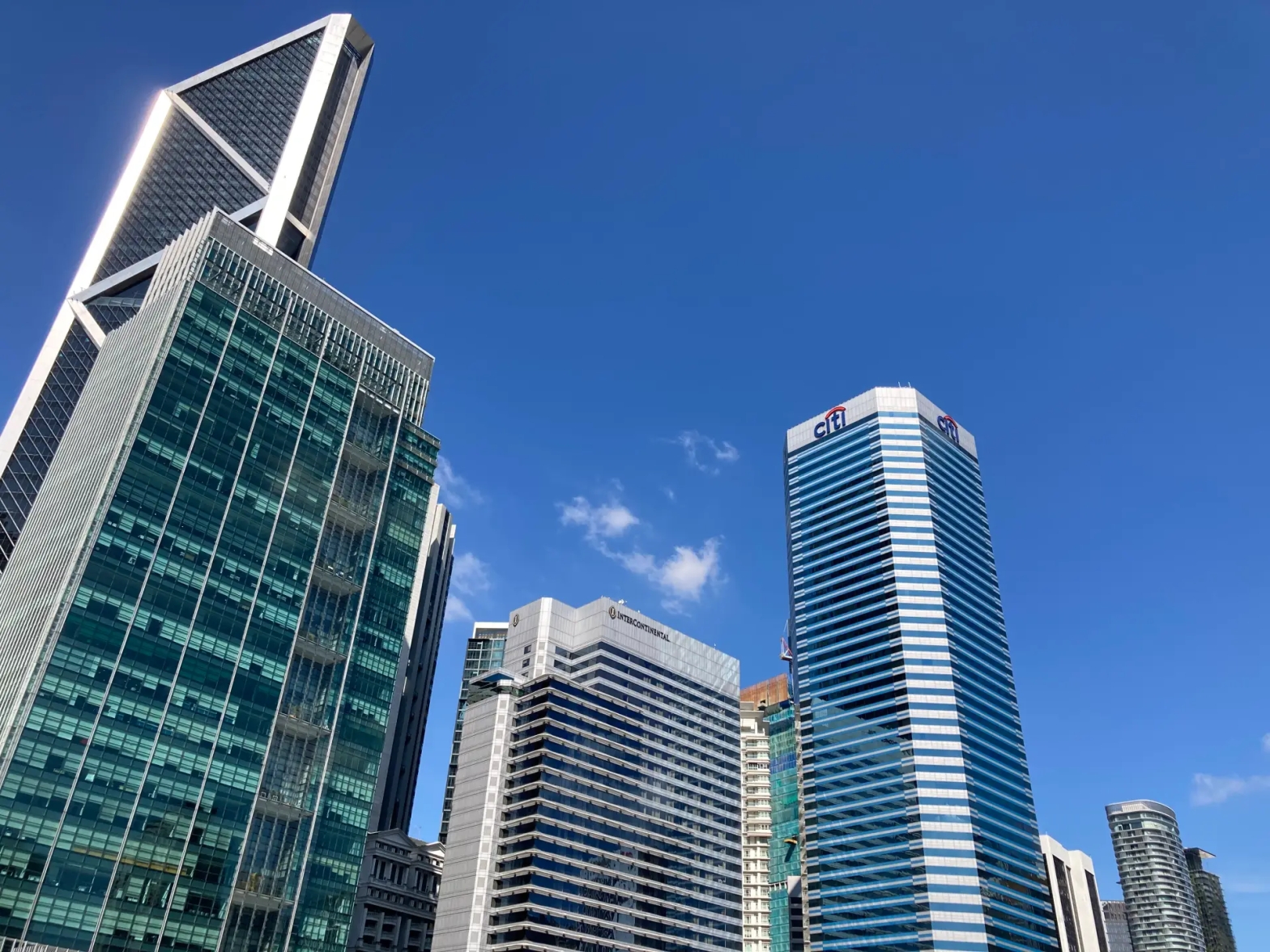
Photo: Klang Valley region in Kuala Lumpur (Malaysia)
I came across a fascinating article discussing Celsa Group, a leading Catalan family-owned company with one of the highest turnovers and a significant player in the circular steel industry in Europe.
I have a keen interest in personal stories about the establishment of businesses, and Celsa’s journey is one that particularly fascinates me. Notably, Celsa has recently garnered media attention due to its impending “expropriation” process because of a law permitting creditors to propose a plan for viable companies on the brink of bankruptcy. This plan entails exchanging debt for property titles, with the new owner obligated to adhere to the recovery strategy.
Dealing with expropriation and viability plans involves various levels of complexity, including emotional, labor, economic, and industrial aspects. These situations can lead to the loss of family property and creditors’ hopes to recover their loans. The process may mark the end of a collective effort, and even with alternative plans and ownership changes, success is not guaranteed.
Living temporarily thousands of kilometers away from Barcelona in Kuala Lumpur, Malaysia, has made me realize once again the challenges of being competitive in any industry. The world is constantly evolving, regardless of our place of residence. It’s essential to remember this and step out of our comfort zones to avoid thinking that our environment is static.
Predicting the future is hard; even industrial giants like Celsa can face financial challenges. While it’s unclear why Celsa’s cash flow has declined, it’s evident that there’s been an imbalance between revenues and expenses.
In my book about entrepreneurship, a chapter emphasizes the importance of cash flow in avoiding bankruptcy when leading a business. It is crucial for companies of all sizes to have sufficient resources to manage unforeseen expenses and income gaps. While the numbers may differ for small and large companies, the impact on their viability remains the same. Despite owing billions to creditors, it is essential to consider Celsa’s significant turnover.
The Celsa Group operates in a sector that requires intensive investment in an environment of global competition. Kuala Lumpur, for example, seems to be constantly undergoing construction, resembling a developing Chicago. The demand for circular steel imports must be significant, but it’s essential to consider that their purchasing power depends on the amount of money they can generate. This volume may differ significantly from what we are used to in Europe.
I’m living briefly in a leased apartment in Malaysia on the 17th floor of a towering building, surpassing the height of the renowned Hotel Arts in Barcelona. Apart from working, my daily early routine includes swimming on the sixth floor, where a suspended swimming pool extends beyond the building’s primary structure. I also engage in fitness activities in the sports room with state-of-the-art exercise machines. Each morning, I purchase a Cappuccino with almond milk from the lobby bar, secured by three uniformed guards. Despite these incredible comforts, the monthly rent is seven hundred euros. Out of curiosity, what do you think is the cost construction companies in Malaysia can pay per meter of circular steel?

 Philipp Fürst