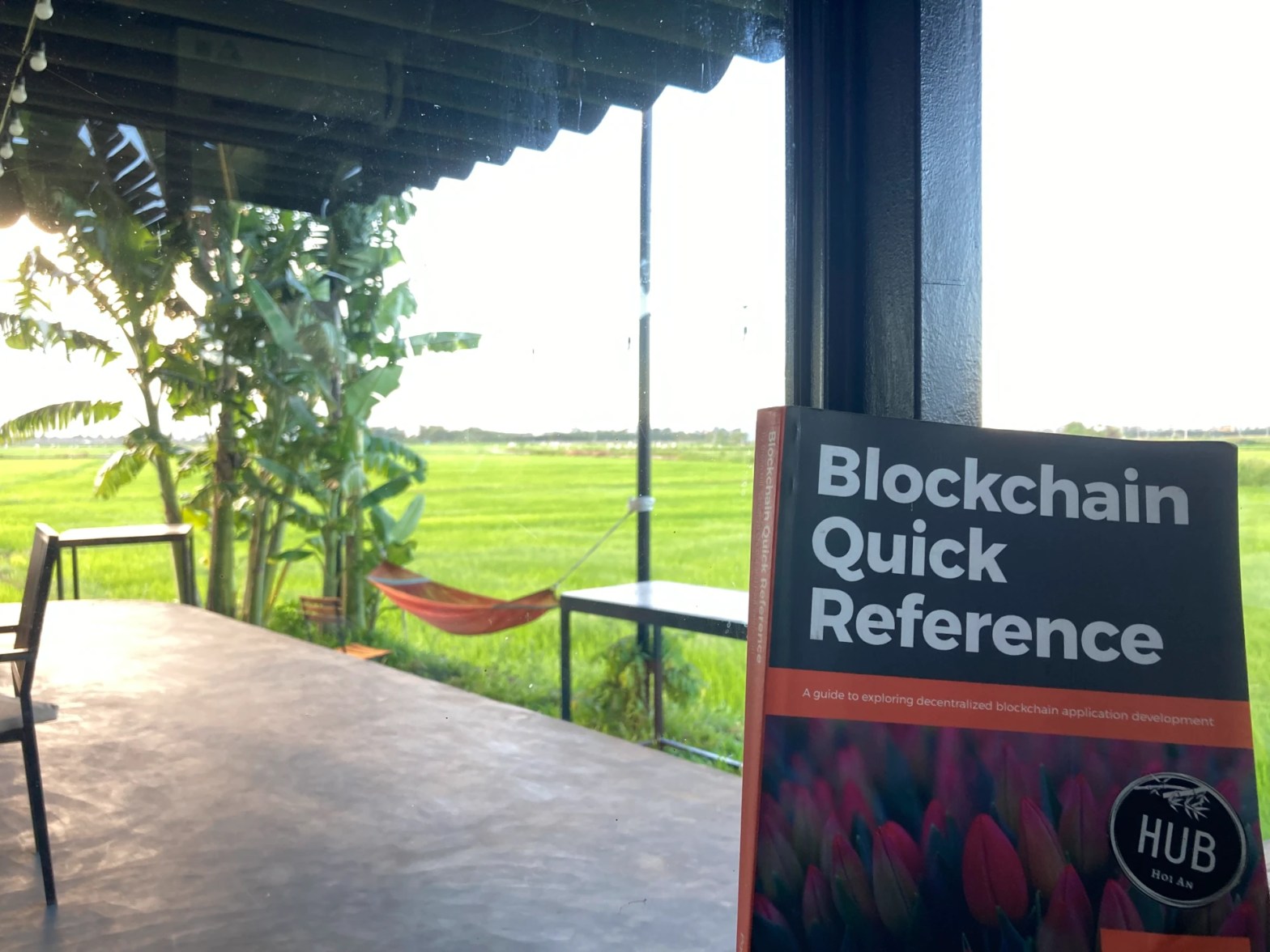
Shared workspaces are an unstoppable trend. Big real estate companies have joined in, seeing how they can monetize office space like hotels. Instead of renting rooms by night, they offer desks daily with a shared bathroom. The space previously occupied by one room now comfortably fits ten flex desks without the need to equip them with sheets.
But who are the real recon heroes of this new conquest? I had the fortune to personally meet Hub Hoi An, a coworking in the central part of Vietnam, in the town of Hoi An. Although famous for its lanterns, Hoi An is a touristic town twenty minutes from Da Nang, even though it belongs administratively to Tam Ky in the south.
Hoi An seems not to be aware of this arrival of open-minded, well-educated professionals with sophisticated professions and a salary of more than enough to live in developing countries. Instead of betting on a more sustainable tourism model, Hoi An’s hoteliers and wealthy construction groups replicate the mass tourism model by building huge complexes practically on the sea. Nothing has been learned from the pandemic that left thousands of tourist businesses in ruins and half-finished ghost buildings that will blight the landscape for decades.
Smarter cities
For example, the difference with Kuala Lumpur (Malaysia) is enormous. I had a very short stay in this tremendous Malaysian capital, but we had a company member living there for three months. It was enough to understand that tourism was not among KL’s priorities.
Hoi An should approach entrepreneurs like Florian Rücker, a young German businessman who immolated his savings to raise Hub Hoi An in a recon act.
Flo – as coworkers call him – attracts world travelers who combine work with the experience of living in other cultures and become more open-minded, more planetary thinkers. They are not anymore necessarily digital nomads, but they all live in these oases without worrying about anything: it is enough to open the PC and sign up for the food WhatsApp group. Everything else does not affect them: permits, customs, capital, Internet, decoration, electricity, kitchen, toilets, employees, repairs, replacements, cleaning, and so many other uncertainties that surround any business.
If the model takes off, significant capital will come along and offer their magnificent business centers disguised as coworking centers. But even if they are not Coworkings, if they succeed like the ones we have seen in Malaysia, they will help consolidate a new wave of world travelers, intellectual and economic-powered visitors in no hurry to move to another city.
Heroes like Flo of Hub Hoi An in Hoi An (Vietnam), John Ho of Alt Coworking in Chiang Mai (Thailand), or David Abraham, co-founder of Outpost in Bali (Indonesia and Sri Lanka too), are the recon soldiers who deserve all the admiration.
Officials from Hoi An should learn and support them.
More about coworking: read the 10 commandments about workation or Coworking or own office. Visit our company site to learn how we are organized.


